https://open.spotify.com/episode/5UBroW6kasbn5nLDmPGkXa?si=18PltBvTRzi0d61lGTt5TQ
Think about any subscription-based business. Streaming services want you watching. Apps want you scrolling. The longer you stay, the more they earn. Now apply that same logic to the fitness industry. This is something most personal trainers won't say out loud, and it's partly why TEM was created. Most trainers are skilled, motivated, and genuinely care about their clients. But they often operate inside a system that runs on sessions sold, client retention, and quarterly targets. Just like any other company. No blame here, it's a tough industry. But it does shape how training gets delivered. A client who learns to train independently is a client who stops booking sessions. So the incentive, whether conscious or not, often leans toward keeping you in the loop rather than teaching you to fly on your own.
Is feeling destroyed after a workout a good sign?
There's a belief baked deep into gym culture that a workout only counts if you can barely walk afterwards. Some trainers lean right into that. They crank up the intensity, send you home wrecked, and you leave thinking, "That was a great session." But here's what's actually happening: exhaustion is easy to sell. It's visible, dramatic, and gives you an immediate sense of accomplishment. Your brain registers it as progress. The problem is, your body doesn't agree. Training that hard every session is a shortcut to burnout and injury, not results. If you can't recover from a workout, you can't build on it. And if you can't build on it, you're just spinning your wheels while feeling productive. Real progress is quieter. Showing up consistently. Adding a little more weight over time. Improving your movement quality. Actually recovering between sessions. Less exciting on the surface, but it's what gets you somewhere six months from now.
Do you need a mobility assessment before you start training?
Gyms love assessments. Mobility screens, posture checks, benchmark tests. And yes, mobility matters. But here's what rarely gets said: mobility almost never determines your results. You don't need a perfect overhead squat assessment to get stronger, leaner, or healthier. And most of the time, your movement quality improves naturally as you train consistently. So why all the testing? Because it creates a sense of precision and expertise. It gives both the trainer and the client something measurable to point at. But for most people, it's a detour, not a foundation. If a mobility limitation is actually affecting your training or causing pain, address it. But don't let a score on a screen stop you from getting started.
Why learning to read your own body matters more than any program
A good trainer can teach technique and keep you accountable. But they can't feel your fatigue. They can't gauge your stress. They don't know how you slept or what your week looked like. That part is entirely on you. And that's actually the most important realization: the skill that matters most in fitness isn't learning the perfect program. It's learning to read your own body. Knowing when to push, when to back off, and when "good enough" is exactly right. Self-awareness, consistency, and habits you can sustain long-term will always outperform tests, checklists, or someone else's standards.
How do you find a good personal trainer?
If you do work with a personal trainer, here's what's worth paying attention to.
- They listen before they prescribe. A good trainer asks about your goals, your lifestyle, your history, and any limitations before putting together a plan. If someone hands you a cookie-cutter program on day one, that's a red flag.
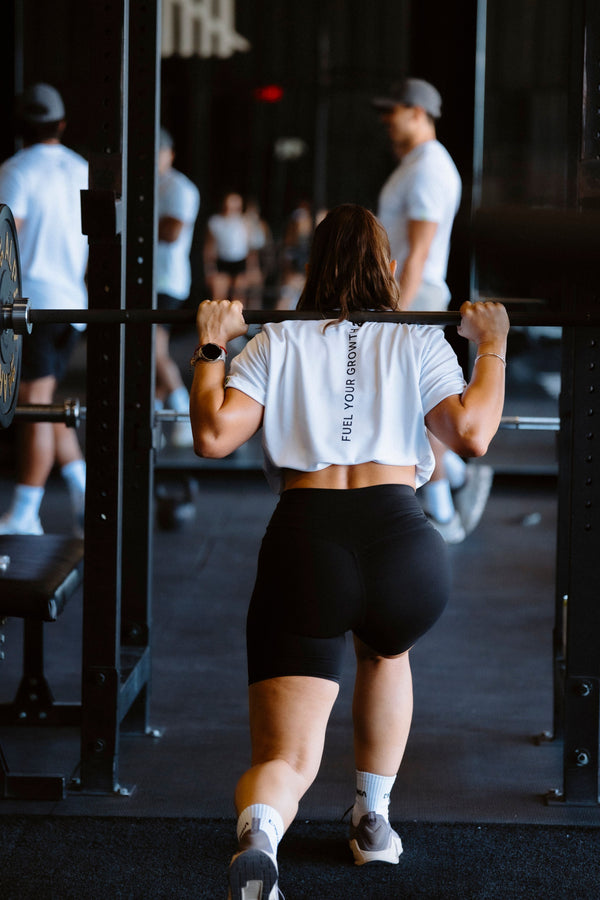
- They teach the "why," not just the "what." If you're squatting, you should understand why that movement matters and what it's doing for your body. A trainer who explains builds your independence. One who just counts reps builds your dependency.
- They know when to pull back. If every session feels like survival mode, that's entertainment, not coaching. A good trainer manages intensity with purpose. Progress should feel structured and intentional, not random.
- You're learning, not just following. Ask yourself after a few sessions: do I understand more about my body and training than before? Am I picking up skills I could eventually use on my own? If the answer is no, you might be paying for company, not coaching.
- They want you to outgrow them. Trust your gut here. A good trainer makes you feel capable, not confused. They build you up instead of keeping you reliant. The right one will genuinely want you to not need them anymore.
Personal training vs group classes: which is right for you?
- Personal training at its best gives you individualized coaching, technique correction, and someone who adapts your plan to where you are right now. That structure makes it easier to progressively overload, build strength in a balanced way, and address weak points that a generic program would miss. If your goal is body composition, injury prevention, or learning to move well under load, a good personal trainer can accelerate that process significantly.
- Group classes bring something different. High-energy formats like spinning, circuit training, or HIIT classes are excellent for cardiovascular health, calorie expenditure, and general conditioning. Yoga and mobility-focused classes improve flexibility, body awareness, and recovery. And beyond the physical, the social element and built-in schedule create consistency, which is the single most important factor for long-term results. For a lot of people, just showing up to a room full of energy is what makes training stick.
Neither is better. But they serve different purposes, and problems tend to show up when people expect one to deliver what only the other can. A group class won't give you a personalized program. A personal trainer won't always replicate the motivation of a packed room. Knowing what you're getting, and what you're not, is what lets you make the most of either one. That's all TEM is asking you to do. Understand how the system works. Know what each option actually gives you. And choose the kind of support that helps you move forward with your eyes open.